Handling the Aftermath: The Way a Personal Injury Legal Professional Can Enhance Your Vehicle Accident Claim
The aftermath of a car accident can leave individuals feeling lost and uncertain. The intricacies of filing a claim often go unrecognized by many. A personal injury lawyer can provide vital assistance. Their expertise can help navigate the legal landscape and maximize potential compensation. Comprehending each step of the process is vital. What are the concrete benefits of having legal representation in such complex situations?

Why You Need a Personal Injury Lawyer After a Traffic Accident
Although those involved in accidents may feel capable of managing their collision claims by themselves, securing a personal injury lawyer can considerably improve their prospects for a favorable outcome. Personal injury lawyers possess specialized knowledge of the legal landscape concerning car accidents, including relevant laws, statutes, and procedures. They can manage complex paperwork and verify that all necessary documentation is processed accurately and on time. Furthermore, these professionals are skilled negotiators, proficient at dealing with insurance companies to secure equitable settlements.
Moreover, a personal injury lawyer can offer valuable insights into the potential long-term effects of injuries, enabling clients understand the complete scope of their claims. By using their experience, they can pinpoint all available avenues for compensation, from medical expenses to lost wages. Finally, hiring a personal injury legal professional can alleviate the stress of the claims process, permitting individuals to focus on recovery while maximizing their chances of receiving fair compensation.
Reviewing Your Case for Maximum Compensation
A thorough evaluation of the situations surrounding a vehicle collision is essential for determining the potential compensation one can seek. This examination involves examining various components, including the severity of injuries received, the degree of property damage, and the impact on the victim's routine. A personal injury lawyer will examine medical records, accident reports, and witness statements to establish liability and the associated costs of recovery.
Furthermore, comprehending the subtleties of local laws and insurance plans can greatly affect the compensation settlement. Calculating both economic damages, such as medical expenses and lost income, and non-economic damages, like pain and suffering, is vital. By correctly analyzing these factors, a lawyer can provide a compelling case that demonstrates the claimant's needs and rights. Ultimately, a meticulous evaluation establishes the foundation for maximizing the financial compensation of a car accident claim.
Successful Proof Gathering
Proper evidence gathering is vital for building a strong car accident claim. This includes meticulously documenting the accident scene and obtaining statements from witnesses present at the time. Such evidence can significantly influence the outcome of a claim by offering clarity and support for the involved parties' accounts.
Recording Crash Site Evidence
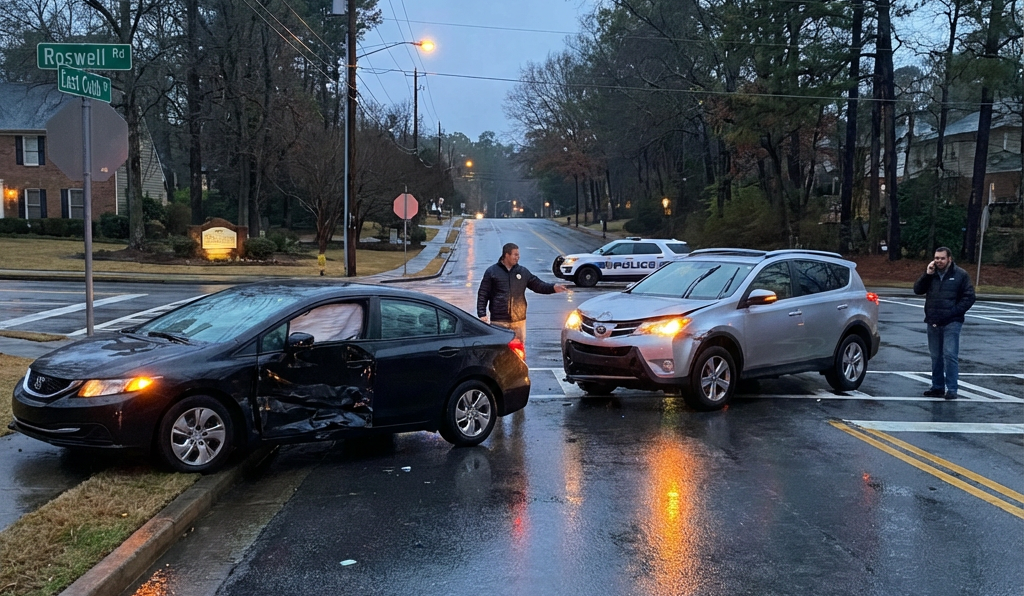
In the event of an accident, collecting evidence at the scene is essential for supporting a car accident claim. This process commences with taking high-quality photographs of the vehicles involved, capturing the damage, positions, and road conditions. Furthermore, documenting applicable traffic signs, signals, and any skid marks can provide vital context. It is important to document the time, date, and weather conditions, as these factors can affect liability. Collecting any available physical evidence, such as debris or broken glass, further bolsters the case. Proper documentation extends to recording the names and contact information of all parties involved and any involved law enforcement. These details can significantly impact the outcome of the claim and provide a comprehensive understanding of the incident.
Collecting Witness Testimonies
Collecting witness statements is a vital step in constructing a strong car accident claim. Witnesses can deliver neutral accounts of the accident, which may back up the claimant's version of events. It is essential to collect contact information, including names and phone numbers, to ensure follow-up is possible. Personal injury lawyers often advise victims to obtain statements promptly, as memories can diminish over time. The effectiveness of witness statements can be strengthened by documenting their observations in detail, including the time, location, and specific actions witnessed. Additionally, having witnesses corroborate details of the accident can fortify the evidence presented to insurance companies or in court. Therefore, detailed and timely collection of witness statements is critical for a successful claim.
The Process of Settlement Negotiation by a Personal Injury Lawyer
A knowledgeable personal injury lawyer utilizes strategic negotiation methods to maximize settlements for their clients. They start by meticulously analyzing the case, gathering evidence, and calculating the full extent of damages, including medical expenses, lost wages, and pain and suffering. This extensive understanding enables the legal professional to establish a strong foundation for negotiations.
In conversations with insurance adjusters, the lawyer expresses the client's requirements and the reasoning for the claimed amount. They use persuasive communication skills to emphasize the strengths of the case while refuting any arguments raised by the opposing party. Additionally, they foster a professional rapport with insurers, which can facilitate more favorable terms.
The attorney also stays ready to challenge lowball offers, utilizing their expertise to argue strongly for their client's optimal outcomes. By utilizing these approaches, a personal injury lawyer dramatically boosts the probability of securing a reasonable and adequate settlement.
When Should You Think About Filing a Lawsuit?
When should a person consider filing a lawsuit following a car accident? Someone should consider this approach when settlement discussions with the insurer have failed or provided unsatisfactory compensation for healthcare expenses, lost earnings, or pain and suffering. Should liability be questioned and the negligent party fails to admit responsibility, legal proceedings may be required to determine accountability. Moreover, when injuries are severe, resulting in long-term disabilities or significant impacts on quality of life, read the full story a lawsuit could guarantee fair compensation. Time constraints are also vital; if the legal deadline for filing is drawing near, one should proceed without delay. In conclusion, if there is inadequate cooperation or candor from the insurance copyright, pursuing litigation might be the only reasonable path to secure just compensation for harm experienced in the accident.
How Legal Representation Affects Your Claim's Result
Effective legal representation can substantially influence the result of a car accident claim. A experienced personal injury lawyer maintains the expertise to navigate complicated legal landscapes, ensuring that all required documentation is correctly prepared and submitted. They can locate and gather vital evidence, such as witness testimonies and accident reports, which considerably strengthen a claimant's case.
Additionally, legal representation can strengthen negotiation strategies with insurance providers. Knowledgeable attorneys know the tactics used by insurers to reduce payouts and can counter these efforts successfully. This expertise frequently generates higher settlement offers than what an unrepresented claimant may receive.
In addition, if a matter goes to trial, a skilled lawyer can deliver compelling arguments and evidence to a judge or jury. Eventually, having legal representation not only expedites the claims process but also maximizes the potential compensation for victims affected by car accidents, offering them with peace of mind during a trying time.
Questions & Answers
How Much Should You Expect to Pay for a Personal Injury Lawyer?
Retaining a personal injury attorney generally costs between 33% to 40% of the settlement amount. Numerous legal professionals work on a contingency fee basis, meaning clients pay only if they win their case.
Will Filing a Claim Increase My Insurance Premiums?
Submitting a claim frequently results in elevated insurance premiums, as insurance companies may consider claims as an increased risk. Yet, the specific impact changes depending on unique factors, insurer policies, and the type of the claim.
Am I Able to File a Claim if I Was Partially at Fault?
Even with partial fault, individuals retain the right to file a claim. Nevertheless, any compensation could be diminished depending on the extent of fault identified throughout the claims process, according to regional legislation.
How Long Do I Have to Submit a Car Accident Claim?
Generally, individuals have between one and three years from the date of the car accident to file a claim, based on state laws. Still, specific circumstances might alter this timeline, demanding prompt action to preserve legal rights.
What Should You Do if the Other Driver Is Uninsured or Underinsured?
Should the other driver be uninsured or carry insufficient insurance, the injured party may need to depend on their own insurance policy, specifically uninsured/underinsured motorist coverage, or pursue legal action against the other driver for financial recovery.